- Details
- Category: General Topics
- Hits: 1723
The York Rite, or more correctly, the American Rite, is based on the early remnants of Craft Masonry that were practiced in the early 1700’s. The formation of the first Grand Lodge of England in 1717 specified that the lodges were to confer only the degrees of Entered Apprentice, Fellowcraft, and Master Mason, all other degrees being considered spurious. However, many lodges had been conferring other degrees that they considered an integral part of Masonry, in particular that of the Royal Arch, and formed their own Grand Lodge in 1751, terming themselves the “Antients” and the other Grand Lodge members the “Moderns.” With the merger of the two Grand Lodges in 1813 into the United Grand Lodge of England, the lodges agreed that only the three accepted degrees of Masonry would be used by the lodges, but the degree of the Royal Arch would be attached to Chapters allied directly to these lodges and bearing the same number as the lodge, though as a separate body. Thus, unlike the Ancient and Accepted Scottish Rite, which claims to hold the power of conferring the first three degrees of Masonry in addition to those under its jurisdiction, those found in the York Rite have rightfully acknowledged the fact that they are considered appendant to those of Ancient Craft Masonry. It is still the practice in English Masonry that a Masonic member is not considered to be in possession of all the degrees of Ancient Craft Masonry until he has been exalted to the Royal Arch.
Early American Lodges operated in a similar manner until the establishment of the General Grand Chapter of Royal Arch Masons. For a period in US history, the Cryptic degrees were controlled by various state Grand Chapter jurisdictions, until the establishment of the General Grand Council. The Chivalric Orders have been controlled by the Grand Encampment since the early 19th century in the United States.
The Knights Templar is the final order joined in the York Rite. Unlike other Masonic bodies which only require a belief in a Supreme Being regardless of religion, membership in the Knights Templar is open only to Christian Masons who have completed their Royal Arch and in some jurisdictions their Cryptic Degrees. This body is modeled on the historical Knights Templar to carry on the spirit of their organization. Throughout history it has been claimed that Freemasonry itself was founded by the Knights Templar or that the Knights Templar took refuge in Freemasonry after their persecution. The Grand Encampment of the United States acknowledges the existence of these theories but states that there is no proof to justify such claims.
A local Knights Templar division is called a Commandery and operates under a state level Grand Commandery as well as The Grand Encampment of the United States. This is unique among Masonic bodies as most report to the state level alone. The Knights Templar confer three orders, and one passing order as opposed to the standard degree system found elsewhere in Freemasonry:
- The Illustrious Order of the Red Cross
- The Order of the Knights of Malta (or simply Order of Malta)
- The Order of the Temple
All three bodies are technically autonomous Masonic entities, only the requirement of membership in the Royal Arch connecting the Cryptic degrees and Chivalric Orders together.
- Details
- Category: General Topics
- Hits: 1491
Scottish Rite Freemasonry, a branch of Freemasonry that explores the philosophical and esoteric dimensions of the craft, has found a significant following in the United States. With its deep-rooted traditions, symbolic rituals, and intellectual pursuits, Scottish Rite Freemasonry has expanded its presence across the nation. In this article, we explore the spread and influence of Scottish Rite Freemasonry throughout the United States.
Early History and Development
Scottish Rite Freemasonry made its way to the United States in the late 18th century, with its earliest recorded presence in the country documented in Charleston, South Carolina. In 1801, the Supreme Council, Ancient and Accepted Scottish Rite, Southern Jurisdiction, was established in Charleston, becoming the first governing body of Scottish Rite Freemasonry in the United States. The Scottish Rite's teachings and rituals quickly gained traction among Freemasons in America.
Expansion and Growth
As Scottish Rite Freemasonry took hold in the United States, the establishment of additional Supreme Councils further facilitated its growth. Notably, the Northern Masonic Jurisdiction, also known as the Supreme Council, 33°, was formed in 1813 in the city of New York. This jurisdiction now encompasses the northeastern and central regions of the United States.
Throughout the 19th and 20th centuries, Scottish Rite Freemasonry continued to expand its presence across the country. The establishment of local Scottish Rite Valleys, where members gather and engage in the degrees, rituals, and educational activities, contributed to the spread of Scottish Rite Masonry. Today, there are numerous Scottish Rite Valleys located in cities and towns across the United States, providing a platform for Freemasons to explore the deeper teachings of the craft.
Degrees and Educational Pursuits
Scottish Rite Freemasonry in the United States follows a system of 32 degrees, each of which offers unique lessons and insights. These degrees build upon the foundational principles of Freemasonry and provide a framework for moral, philosophical, and spiritual exploration. Members engage in rituals, ceremonies, and discussions that encourage personal growth, critical thinking, and self-reflection.
Scottish Rite Masons in the United States are also known for their commitment to intellectual pursuits. Many Scottish Rite bodies offer educational programs, lectures, and forums where members can deepen their understanding of various subjects, including history, philosophy, symbolism, and the arts. These educational endeavors foster a culture of intellectual curiosity and contribute to the personal and intellectual development of Freemasons.
Philanthropy and Charitable Initiatives
Like Freemasonry as a whole, Scottish Rite Freemasonry in the United States places a strong emphasis on philanthropy and charitable endeavors. Scottish Rite bodies often establish charitable foundations or organizations to support causes such as scholarships, medical research, community outreach programs, and assistance for those in need.
One notable philanthropic endeavor of Scottish Rite Freemasonry is the support for Scottish Rite Masonic Children's Learning Centers and Scottish Rite Hospitals for Children. These institutions provide specialized care, educational support, and medical services to children with various challenges, such as learning disabilities and speech disorders. Scottish Rite Freemasons' dedication to improving the lives of children and their families through charitable efforts demonstrates their commitment to humanitarian values.
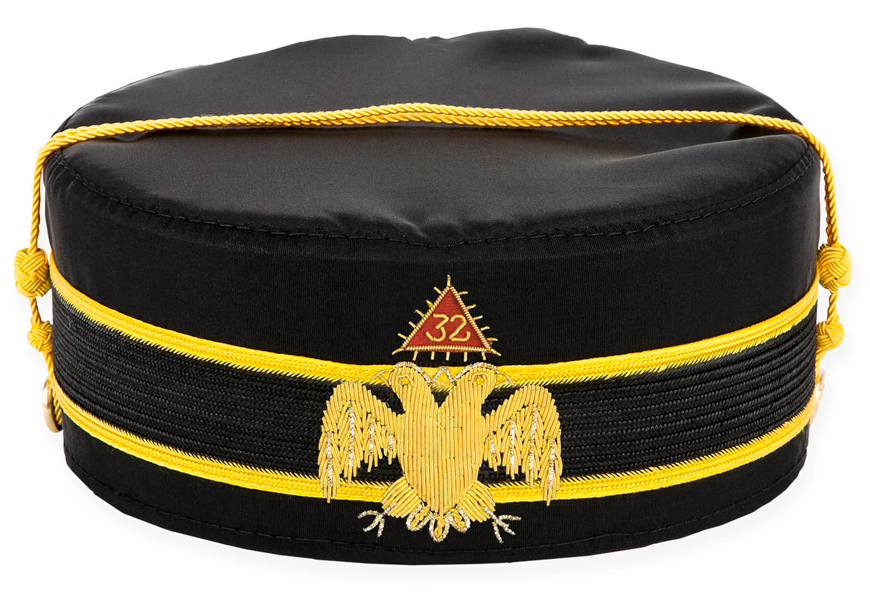
Scottish Rite Freemasonry has made a significant impact in the United States, spreading wisdom, fostering brotherhood, and contributing to society through its philanthropic endeavors. From its early roots in Charleston to its presence in numerous Scottish Rite Valleys across the country, Scottish Rite Freemasonry has found resonance among Freemasons seeking intellectual exploration, personal growth, and the camaraderie of like-minded individuals.
As Scottish Rite Freemasonry continues to thrive and evolve in the United States, it stands as a testament to the enduring appeal of Freemasonry's teachings and the power of brotherhood in shaping individuals and communities. Through its degrees, educational pursuits, and philanthropic activities, Scottish Rite Freemasonry enriches the lives of its members and extends its influence in promoting a better world.
While there is no Masonic degree more important than that of Master Mason, there is a long tradition - almost as old as Freemasonry of “high degrees” that expand upon and elaborate the teachings and lessons of the first three degrees. The Scottish Rite degrees teach a series of moral lessons culminating in the 32°, Master of the Royal Secret.
- Details
- Category: General Topics
- Hits: 2305
This article aims to provide you with a brief introduction to Freemasonry and its central institution, the "Blue" Lodge, or Symbolic Lodge, as it is more appropriately known. Every man's journey into Freemasonry commences within a Symbolic Lodge, where he undergoes the initial three Degrees in Masonry. These Degrees are commonly referred to as the Entered Apprentice, Fellowcraft, and Master Mason Degrees, or simply the 1st, 2nd, and 3rd Degrees. Our Degrees are characterized by profound rituals and symbolism, designed to awaken a higher ideal within one's consciousness.
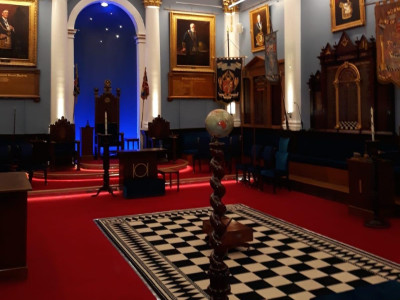
Freemasonry is an exclusive and private organization, not accessible to the general public but rather to individuals who share similar persuasions and ideals. While each person is unique, a common belief in the Brotherhood of humanity and a higher power, whom we in Masonry refer to as the Supreme Architect of the Universe, unites us. The fundamental principles of Masonry are Brotherhood, Relief, and Truth. We embrace the notion that all individuals are equal, irrespective of their material wealth, social status, race or creed and we strive to alleviate the suffering and troubles of our fellow human beings, regardless of their affiliation with the Fraternity.
Masonic Lodges, also known as "Blue" Lodges, serve as meeting places for Freemasons. These Blue Lodges can be found in numerous towns and cities worldwide. Local Blue Lodges are organized under a governing body called the Grand Lodge. Each state or jurisdiction has its own Grand Lodge, which oversees the activities of all Blue Lodges within its territory. To join a Blue Lodge, one typically interacts with a member from the desired Lodge, who acts as a guide throughout the membership and initiation process. Prior to becoming a Freemason, an individual must receive recommendations from two Brothers and undergo a thorough investigation by the Lodge's Committee to ensure their good character.
- Details
- Category: General Topics
- Hits: 5818




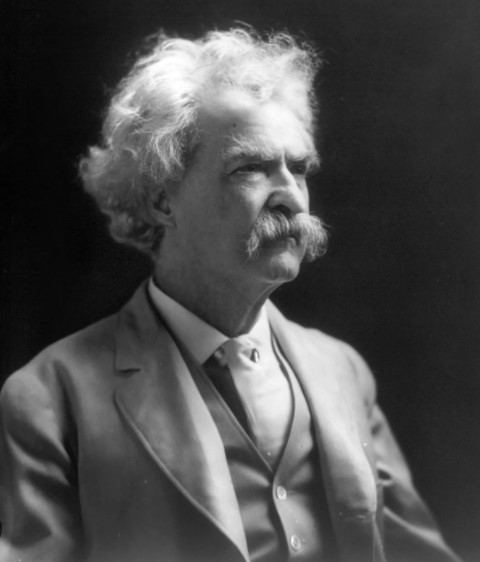
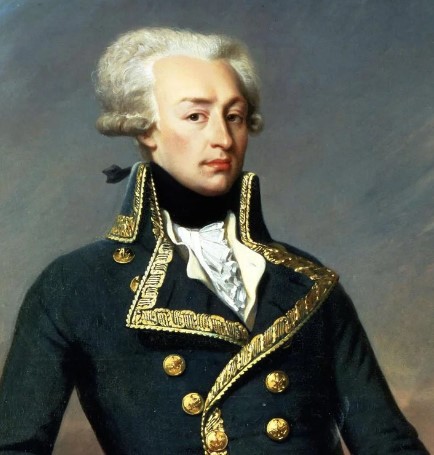

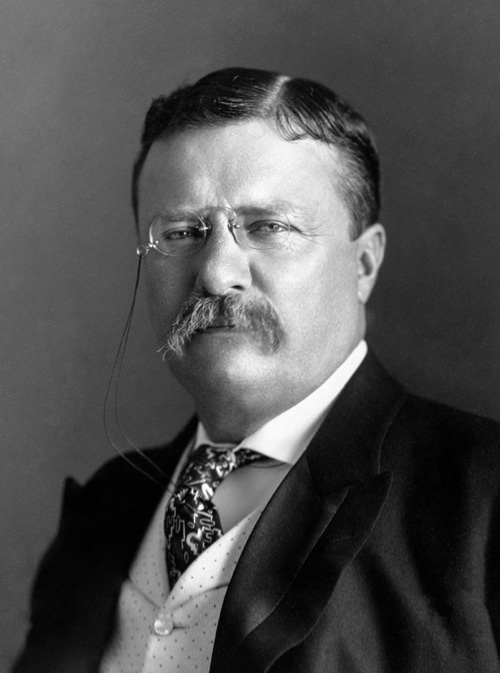
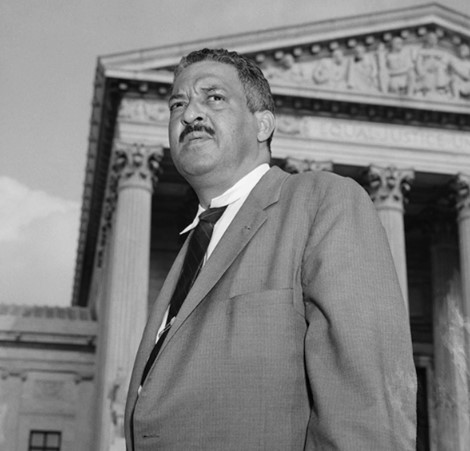
|
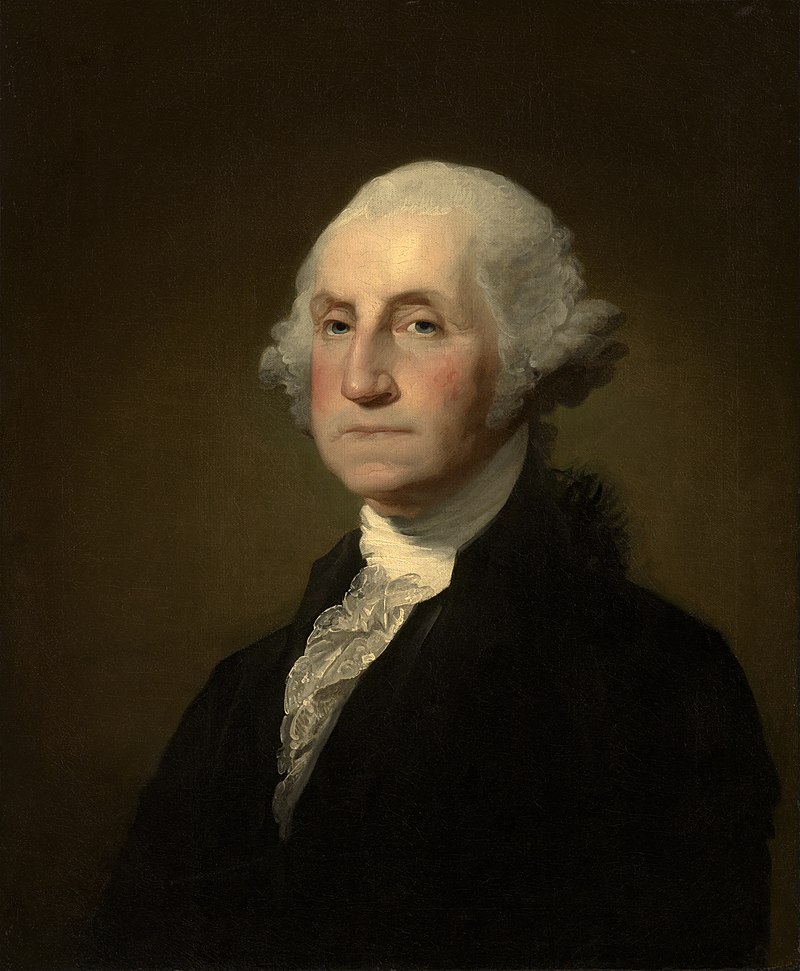
George Washington
Irving Berlin
Theodore Roosevelt
Louis Armstrong
Franklin D. Roosevelt
Ludwig van Beethoven
Harry S. Truman
Andrew Jackson
Mark Twain
Benjamin Franklin
Oscar Wilde
Norman Vincent Peale
Sir Alexander Fleming
Edwin E. “Buzz” Aldrin, Jr.
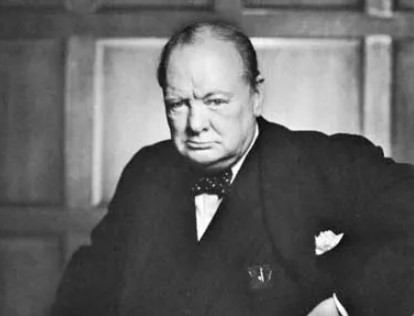
Winston Churchill
John Jacob Astor
Edward VII, King of England
Christopher Wren
Frederick the Great, King of Prussia
Kemal Ataturk, Father of modern Turkiye
Henry Ford
Francis II, Holy Roman Emperor
Duke Ellington
Harpo Marx
Oliver Hardy
Peter Sellers
Charles Lindbergh
|
Arnold Palmer
George VI, King of England during W.W. II
Denton True “Cy” Young
Marquis de Lafayette, French Supporter of American Freedom
Cecil B. DeMille
Alexandre Millerand, President of France
John Wayne
Harry Houdini
Peter the Great, Emperor of Russia
J. C. Penny
Walter Chrysler
Thurgood Marshall
Buffalo Bill Cody
Paul Revere
Lewis and Clark
Duke of Wellington
Rudyard Kipling
Sir Arthur Conan Doyle
Lord Nelson
Alexander Eiffel
Gutzon Borglum, Mount Rushmore
Frederick Bartholdi, Statue of Liberty
Louis Armstrong
Clark Gable
C.W. Mayo, founder of Mayo Clinic
James Watt (1736-1819) inventor of the steam engine. Initiated 1763
James Smithson, founder of the Smithsonian Institute in Washington, DC
|
- Details
- Category: General Topics
- Hits: 1845
The bad thing about the basic tenets of Freemasonry is that they don’t change very much. And the good thing about the basic tenets of Freemasonry is that they don’t change very much.
The simple concepts and goals of Freemasonry apply as much to today’s world as they did to our grandparents’, and they’re certainly needed every bit as much now as they ever were:
- Making good men better ones: Freemasonry was never intended as a refuge for fallen men in need of reformation. It doesn’t save souls, cure alcoholism, reform straying husbands, or put chiseling CEOs back on the road to honesty. In fact, its rules and customs are specifically designed to keep such men out. Freemasonry has always had standards of conduct for members and hopefuls.
- Building confidence: The lodge lets you bond with a small group of men from all walks of life and get to know them on an individual basis. Performing the ritual ceremonies gives members confidence and experience speaking in public, along with connecting them to traditions that go back a thousand years.
- Fostering brotherly love: Freemasonry’s ceremonies join men from diverse backgrounds and from all over the world through common experiences shared in the lodge room. Freemasonry brings together men who might otherwise never have met, and it cuts across all social, economic, racial, religious, and political lines.
- Offering relief: Freemasonry encourages its members to take a greater part in the community. It inspires Masons to volunteer, to donate, and to become engaged in their neighborhoods, places of worship, and governments.
- Searching for truth: Lodges are not places of worship and lodge meetings and rituals are not intended as a substitute for going to church, temple, or mosque. Freemasonry does encourage its members to take more-active roles in their religious communities.
- Providing timeless principles: The principles of Masonry are simple. Reduced to their most basic level, Masonry provides its members with a place to go for a while to escape the strife and struggle of the outside world, leaving the most contentious topics between men outside its lodge-room doors.
Freemasonry has always changed to accommodate the needs of its members throughout its history, while retaining its character, forms, and overall philosophy.
Author: Christopher Hodapp