The preservation of Masonic records, regalia, and historical artifacts is not a mere exercise in nostalgia; it is a fundamental act of stewardship that safeguards the very structure of a Lodge’s identity. When a Lodge maintains its minute books, correspondence, and ledgers, it protects an unbroken narrative that may span centuries - a living testimony to the men who shaped both the institution and the community around it. These records serve as both spiritual compass and administrative anchor, forming the “Golden Thread” that binds the modern Brother to those who first sought a Charter. Without the written word, the collective memory of the Craft begins to erode, leaving future generations disconnected from the trials, triumphs, and traditions that define our unique Masonic home.
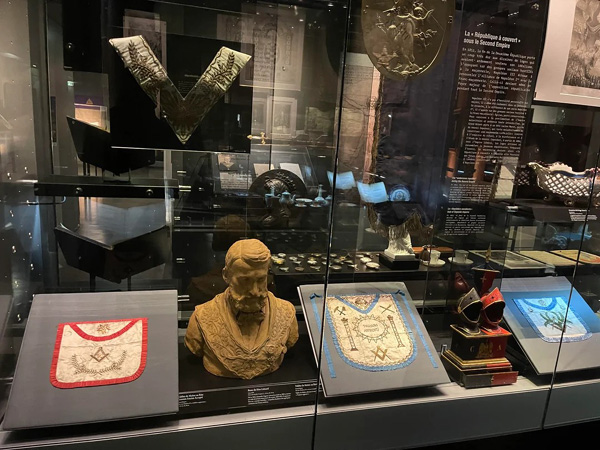
This responsibility extends beyond documents into the physical realm of regalia and paraphernalia. Aprons, collars, jewels, and floorcloths are not merely functional objects; they are enduring symbols of the craftsmanship and aesthetic ideals of their time. A hand-embroidered nineteenth-century apron or a finely wrought Past Master’s jewel becomes a tangible link across generations, allowing today’s Mason to connect directly with those who labored before him. These items carry the weight of the Work performed with them, and their preservation ensures that the visual and symbolic language of Freemasonry remains intact and meaningful. When such artifacts are lost to neglect or decay, a portion of the Lodge’s embodied heritage is diminished, making its principles less vivid and harder to transmit.
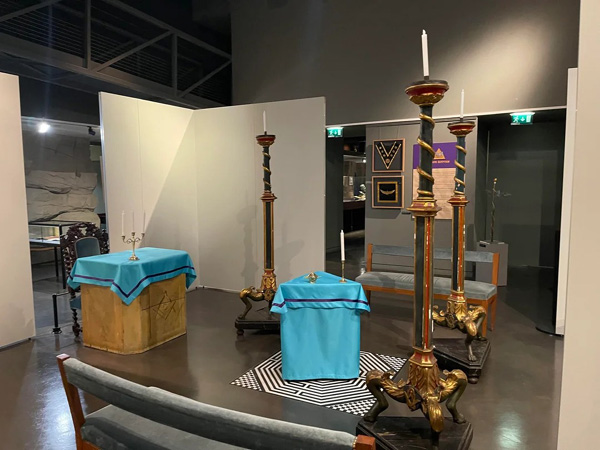
Equally important is the conservation of the Lodge’s furniture and structural elements, which define the geometry and atmosphere of the sacred space. The Master’s pedestal, the Wardens’ chairs, the tracing boards, and the Great Lights are not simply decorative - they are functional monuments that shape the Masonic experience. Often crafted from fine materials by skilled artisans - frequently Brethren themselves - these pieces stand as silent witnesses to every degree conferred and every decision rendered within the Lodge. Their preservation guards against the gradual “sanitization” of the Lodge room, where historic character is replaced by modern uniformity. To sit among furnishings worn smooth by generations of hands is to feel the continuity, stability, and permanence that lie at the heart of the Craft.
Perhaps most profound is the obligation to preserve the Volume of the Sacred Law upon the Altar. These Bibles are not merely historical objects; they are the spiritual center of the Lodge, bearing the imprint of countless obligations taken upon their pages. Each Brother who has knelt before them has bound himself to the same enduring principles, making the Altar Bible a vessel of shared honor and collective promise. To preserve these volumes is to honor the sanctity of those vows and the memory of those who have passed to the Grand Lodge Above. They stand as a physical testament to the continuity of obligation, ensuring that the chain remains unbroken across generations.
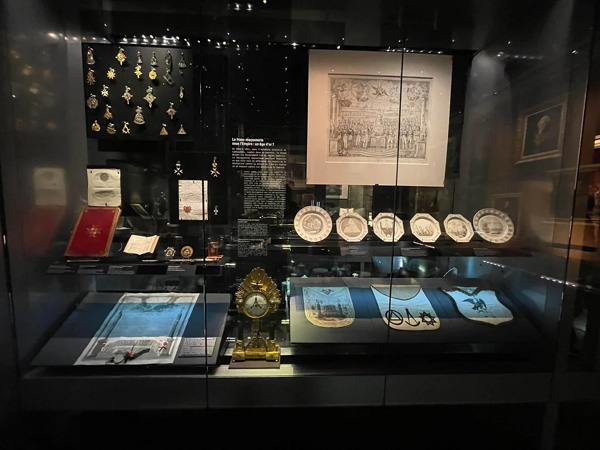
Ultimately, preservation is inseparable from the Masonic principle of perpetuity. Freemasonry is designed to outlast the individual, yet its endurance depends upon the faithful transmission of knowledge, tradition, and atmosphere. Records and artifacts provide the “why” behind the “how,” offering context for present practices and illuminating the path taken by those who came before. By carefully safeguarding both its documentary history and its physical environment, a Lodge creates a durable foundation for the future. In protecting its past, it does more than remember—it ensures that its legacy remains vibrant, instructive, and alive, allowing each new generation to build with confidence upon the enduring design of the Craft.
Let each of us, therefore, take up this quiet charge with reverence and resolve, that through our care the history, symbols, and spirit of our Lodge may endure - unbroken and undiminished—for the Brethren who will one day follow in our steps.